CONVENTIONAL SYSTEM
CONVENTIONAL SYSTEM
A conventional fire suppression system is a fixed firefighting system designed to detect and extinguish or control a fire in a protected area. It typically operates using predefined detection zones and suppression equipment without the advanced networking and addressable features found in modern addressable systems.
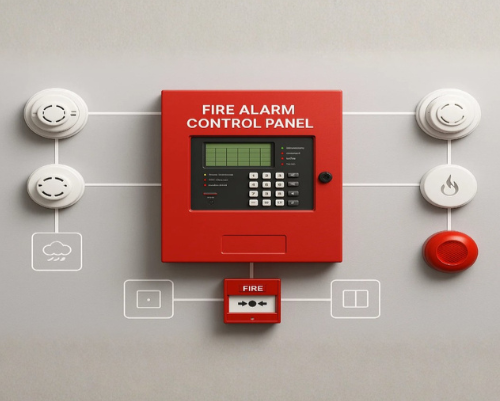
A conventional suppression system consists of fire detection devices (such as smoke detectors, heat detectors, or manual call points) that are grouped into zones. When a detector in a zone is activated, the control panel identifies the affected zone rather than the exact device. After confirming the fire condition, the system initiates a sequence that may include sounding alarms, activating warning devices, releasing the suppression agent, and shutting down ventilation or electrical equipment if required.
The suppression agent used depends on the application and may include:
- Water (sprinkler or deluge systems)
- Carbon dioxide (CO₂)
- Clean agents (e.g., FM-200 or Novec 1230)
- Dry chemical powder
- Foam
Main Components:
- Fire alarm control panel
- Smoke and/or heat detectors
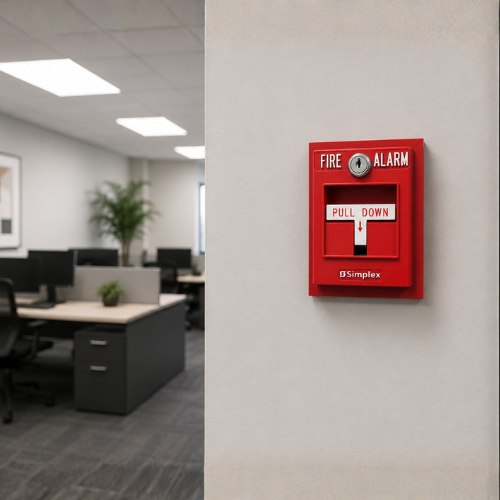
- Manual call points
- Audible and visual alarm devices
- Suppression agent storage cylinders or water supply
- Release control mechanisms (solenoid valves or actuators)
- Distribution piping and discharge nozzles
- Manual release and abort switches (where applicable)
Operations:
1. A fire is detected by a smoke or heat detector, or reported via a manual call point.
2. The control panel identifies the affected zone and activates alarms.
3. A pre-discharge delay may allow occupants to evacuate.
4. The suppression agent is released into the protected area.
5. The agent suppresses or extinguishes the fire.
6. The system remains in an alarm state until it is manually reset and inspected.
Applications:
Conventional suppression systems are commonly used in:
- Small commercial buildings
- Electrical switch rooms
- Generator rooms
- Server and communication rooms
- Storage facilities
- Industrial process areas